The Neighborhood Effect: Why Local Spaces Matter in Modern Cities
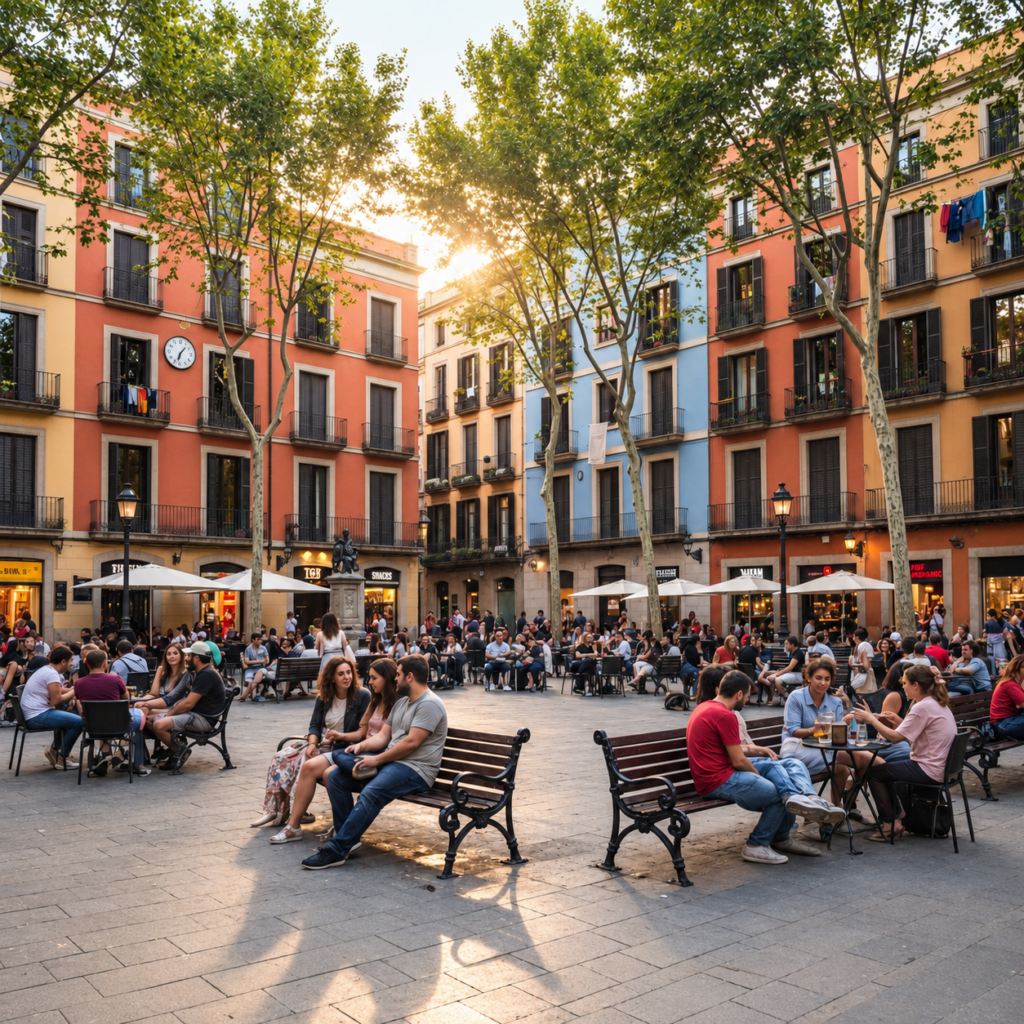
A neighbourhood is more than a collection of buildings around a home. It is the café where someone stops on the way to work, the park where children play after school, the local shop where familiar faces become part of an ordinary day. These places may seem unremarkable, but they shape how people experience a city and whether they feel connected to the place where they live.
As urban life becomes increasingly digital and housing costs push residents farther from city centres, the importance of the immediate neighbourhood is becoming harder to ignore. People may communicate online throughout the day, yet still lack convenient places to meet in person. They may live in a densely populated district but rarely interact with the people around them.
Good neighbourhoods make everyday contact easier without forcing people to socialise. They offer places to pause, walk, shop, exercise and spend time outside the home. Their value lies not in creating a close-knit community overnight, but in giving relationships the conditions to develop naturally.
The Places Where Everyday Connections Begin
Most social connections do not begin with organised events. They often develop through repeated, low-pressure encounters: seeing the same neighbour while walking a dog, exchanging a few words with a shopkeeper or recognising someone who visits the same park each morning.
These encounters rarely become meaningful relationships immediately. Over time, however, familiarity can create a sense of comfort and recognition. People begin to feel that they are part of a shared environment rather than anonymous residents passing through it.
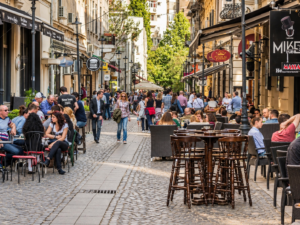
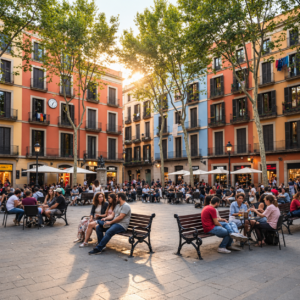
Local spaces make these interactions possible because they give people reasons to be outside their homes. A street with cafés, benches and small shops encourages people to walk and linger, while a neighbourhood dominated by traffic and blank building fronts may offer little incentive to stop. The difference is not necessarily architectural grandeur; it is whether a place supports ordinary human activity.
Libraries, community centres and local markets are especially valuable because they can attract people of different ages and backgrounds. Unlike venues that require customers to spend money, public libraries and many community spaces allow people to participate without making a purchase. That makes them important meeting points in cities where the cost of leisure is rising.
Why Walkable Neighbourhoods Feel Different
Walkability is often discussed as a transport issue, but its effects extend into social life. When residents can reach a grocery store, playground, café or public transport stop on foot, they encounter more of their surroundings during the day. Short journeys become opportunities to notice local activity, discover businesses and interact with other people.
This does not mean every neighbourhood needs to look the same. Dense urban districts, suburban areas and smaller towns have different layouts and practical needs. The underlying principle is that daily destinations should be accessible, streets should feel safe to use, and public spaces should give people reasons to spend time outside.
The design of a street can make a substantial difference. Continuous pavements, safe crossings, shade, seating and comfortable lighting help people move around with confidence. These details are particularly important for older residents, families with young children and people with limited mobility, for whom an uncomfortable route can become a genuine barrier to participation.
Walkability also supports local businesses. When people pass shops and cafés on foot, they are more likely to notice them and make spontaneous visits. This can help independent businesses remain part of neighbourhood life rather than being replaced by destinations that require a car journey.
Public Spaces Must Be Useful to Everyone
A well-designed public space does not need to be spectacular. A modest park with trees, benches and a safe path can be more useful to residents than an impressive plaza that offers little shade or comfortable seating. What matters is whether people can use it in different ways and feel welcome there.
Some visitors want to exercise, while others need somewhere quiet to read, talk or take a break from a crowded home. Children need room to play, and older residents may value accessible paths and places to rest. A successful space accommodates these different needs without requiring everyone to participate in the same activity.
Accessibility also includes affordability. Commercial spaces can make streets lively, but if nearly every place to sit requires buying food or drinks, some residents may feel excluded. Public benches, free cultural activities, libraries and open green spaces provide alternatives where people can spend time without paying for admission.
Safety matters just as much. Good lighting, clear sightlines, regular maintenance and activity at different times of day can make public spaces more comfortable to use. Residents are more likely to return to places that feel cared for and connected to the surrounding neighbourhood.
Local Businesses Give Neighbourhoods Their Character
Independent businesses often help define what makes one neighbourhood different from another. A family-run bakery, a small bookshop, a repair workshop or a market selling regional produce can give an area its own identity. These places are not simply service providers; they can become familiar points of reference in residents’ daily lives.
Their presence also creates a more varied street environment. A neighbourhood with different types of shops and services attracts people for different reasons throughout the day. This can make streets feel more active and provide opportunities for businesses to build relationships with regular customers.
However, local businesses face significant pressures. Rising commercial rents, competition from large chains and online shopping can make it difficult for smaller operators to remain profitable. When independent shops disappear, residents may lose convenient services and familiar meeting places, even if the area continues to look attractive.
Supporting neighbourhood businesses does not mean rejecting larger retailers or digital commerce. It means recognising that a balanced local economy offers benefits that are not always captured by price or convenience alone. A city with a diverse range of businesses can provide residents with more choices while preserving the character that makes its districts distinctive.
Digital Life Needs Physical Places
Digital services have made urban living more convenient. People can order groceries, work remotely, arrange appointments and maintain friendships without leaving home. Yet the same convenience can reduce the number of everyday situations in which people encounter others naturally.
This is not an argument against technology. Online communication can help residents organise events, exchange recommendations and find local services. Community groups can use digital platforms to coordinate activities, while neighbourhood businesses can reach customers who might never discover them through a physical storefront alone.
The challenge is ensuring that digital convenience complements physical life rather than replacing it entirely. Remote workers may benefit from nearby libraries or shared workspaces, while families can use online community networks to find local activities. A digital invitation becomes more meaningful when there is an accessible place where people can gather.
Physical spaces are particularly important because participation does not always need to be planned. A conversation on a park bench or a brief encounter at a market can happen spontaneously. These moments are difficult to schedule through an app, yet they help make neighbourhood life feel less anonymous.
Keeping Neighbourhoods Inclusive as They Change
When a neighbourhood becomes more attractive, investment often follows. Streets are renovated, cafés open and public spaces improve. These changes can benefit residents, but they may also increase rents and property prices, eventually pushing out the people who helped give the area its character.
This creates a difficult challenge for urban development. Improvements should make neighbourhoods more comfortable and accessible, but they should not turn them into places that only higher-income residents can afford. Affordable housing, support for local businesses and meaningful public consultation can help communities benefit from investment without losing their social diversity.
Inclusion also means recognising that residents use neighbourhoods differently. A space designed mainly for tourists or office workers may not serve families, older people or residents who spend much of their time at home. Good planning considers daily needs across age groups, incomes and mobility levels.
The strongest neighbourhoods are not frozen in time. They change as residents move in, businesses evolve and new services appear. Their resilience comes from maintaining a mix of housing, activities and public spaces that allows different people to participate in local life.
A Better City Begins Close to Home
Cities are often judged by their skylines, major transport projects and cultural landmarks. These features matter, but most residents experience urban life at a much smaller scale. They notice whether the pavement is safe, whether there is somewhere to sit, whether the local shop remains open and whether the nearest park feels welcoming after work.
These everyday details influence how connected people feel to their surroundings. A neighbourhood does not need to eliminate loneliness or solve every urban problem, but it can make contact easier by creating places where people naturally cross paths. It can support local businesses, provide affordable opportunities to spend time outside the home and help residents develop a sense of familiarity with their surroundings.
The most liveable cities are therefore not simply collections of successful districts. They are networks of neighbourhoods where daily needs can be met, public spaces are accessible and people have opportunities to participate in community life.
Ultimately, the neighbourhood effect comes from the relationship between physical space and ordinary behaviour. When a city makes it easier to walk, pause, meet and return to familiar places, it creates the conditions for stronger local connections. That may not be the most dramatic form of urban development, but it is one of the ways a city becomes more than somewhere to live. It becomes somewhere people feel they belong.