Telugu Movies Online in 2026: How South Indian Cinema Is Reaching a Wider World
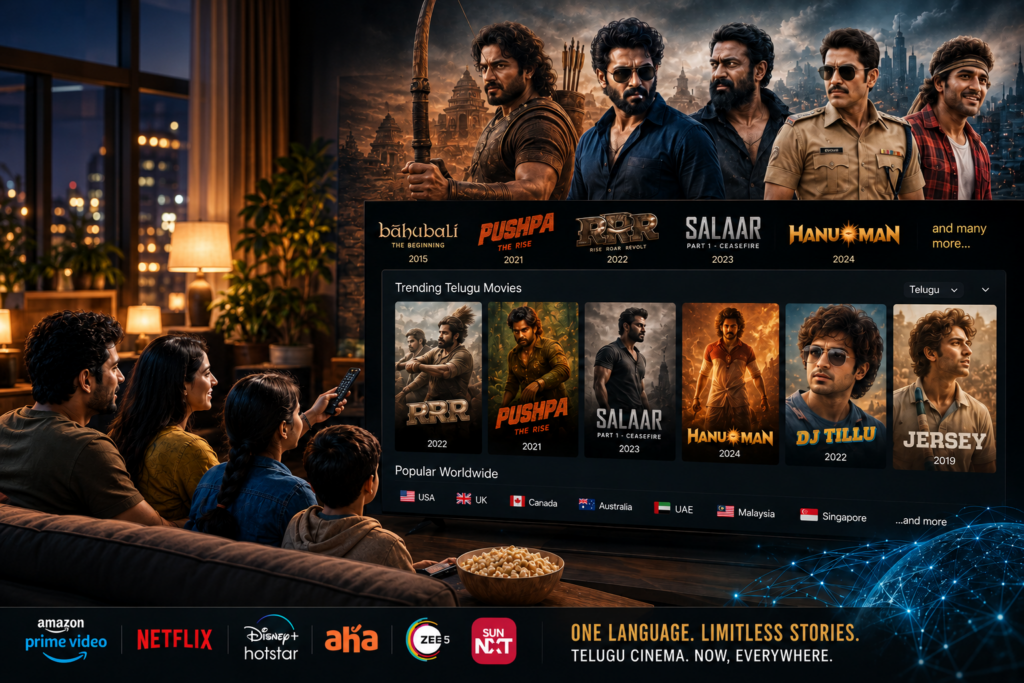
Telugu cinema has developed a distinctive blend of large-scale spectacle, emotional storytelling, mythology, action and inventive genre filmmaking. Its growing international visibility reflects the combined influence of ambitious productions, digital distribution and audiences increasingly willing to explore films beyond familiar industries. Online discovery now offers another way to experience this cinema, whether through major blockbusters or smaller character-driven stories.
A spectacular action sequence, an imaginative science-fiction world or a moving family drama can introduce viewers to a film tradition they have never explored before. Discovering Telugu movies online gives audiences a starting point for exploring Tollywood, the commonly used name for the Telugu-language film industry. Its productions range from energetic commercial entertainers to crime thrillers, romances, historical dramas and stories inspired by mythology. Their appeal lies not only in visual scale but also in the industry’s ability to combine recognisable emotions with distinctive storytelling traditions.
In 2026, Telugu cinema occupies an increasingly visible position in international conversations about Indian entertainment. Films can attract attention through theatrical releases, music, trailers, online discussions and subsequent digital availability. This wider reach creates new opportunities for filmmakers, while giving audiences more ways to discover stories that might once have remained outside their usual viewing habits.
A Distinctive Approach to Cinematic Spectacle
Telugu cinema is often associated with ambitious action sequences, expressive performances and productions designed to create a strong emotional response. Directors may build entire sequences around a character’s entrance, a confrontation or a moment of personal triumph, using music, editing and visual composition to intensify the effect.
The technique is not unique to Telugu films, but the industry has developed its own recognisable ways of combining these elements. Commercial storytelling frequently gives central characters a clear emotional or moral purpose, allowing spectacular moments to function as expressions of loyalty, sacrifice, revenge or determination.
Yet spectacle alone does not explain the industry’s appeal. A memorable action sequence still needs a context that gives it meaning. When a film establishes what a character stands to lose, a confrontation can carry emotional weight beyond its choreography. When the underlying motivation is weak, even impressive visuals may struggle to sustain interest.
This balance between scale and character is one of the central challenges facing contemporary commercial cinema. The strongest productions understand that audiences can appreciate elaborate entertainment while still expecting coherent storytelling and believable emotional stakes.
From Regional Identity to International Recognition
Telugu films have increasingly reached viewers beyond their original language audience through multilingual releases, dubbed versions and digital distribution. The success of large-scale productions has helped demonstrate that a story created within a specific linguistic and cultural tradition can attract attention across a much wider market.
The Baahubali films were an important milestone in this development. Their combination of fantasy, mythology-inspired imagery, family conflict and large-scale production helped introduce many viewers to the possibilities of Telugu commercial cinema. RRR subsequently attracted a substantial international audience through its energetic direction, stylised action and emotional friendship narrative.
The Oscar-winning song “Naatu Naatu” from RRR also demonstrated how a specific musical sequence could travel beyond its original context. Its choreography and infectious energy became a recognisable cultural reference for viewers who might not otherwise have encountered a Telugu-language film.
These achievements do not mean that every production can reproduce the same international success. Breakout films depend on creative decisions, audience response, distribution and timing. Nevertheless, they have helped challenge the assumption that international appeal requires a film to abandon its linguistic or cultural identity.
Mythology, Fantasy and the Power of World-Building
Mythological references and fantasy storytelling have long provided material for Indian cinema, and Telugu filmmakers have explored these traditions through both historical and contemporary approaches. Some films draw directly on familiar religious or epic narratives, while others use mythological imagery to create fictional worlds with their own rules, conflicts and heroes.
The appeal of this approach lies in the combination of recognition and invention. Familiar archetypes can give audiences an immediate sense of a character’s role, while new settings and conflicts create room for surprise. Fantasy also allows filmmakers to explore questions of responsibility, sacrifice, destiny and power through heightened dramatic situations.
Contemporary productions can combine these elements with modern visual effects and elaborate production design. However, technology is only one part of successful world-building. The audience must understand the stakes, care about the characters and believe in the internal logic of the fictional world.
For international viewers, such films can offer an accessible introduction to narrative traditions that may be unfamiliar. They can also prompt curiosity about the myths, histories and cultural references that inspired particular scenes. The best examples remain engaging even when the viewer does not recognise every allusion.
Beyond Blockbusters: Thrillers, Romance and Human Drama
The visibility of large-scale productions can obscure the variety within Telugu cinema. The industry also produces intimate dramas, romantic stories, psychological thrillers and crime narratives that depend more on character development than spectacle.
Films such as Jersey demonstrate how a sports story can become an examination of regret, ambition and the relationship between personal failure and family responsibility. Sita Ramam combines romance with historical elements and mystery, while Eega uses an unusual fantasy premise to build a story around revenge and emotional attachment.
These examples illustrate the range of storytelling approaches available within the industry. A viewer who enjoys intense action may discover a quieter drama, while someone drawn to romance may find an unexpected interest in fantasy or suspense.
Genre is therefore a useful starting point for exploration, but it should not become a rigid definition of what an industry can produce. Telugu cinema’s identity is shaped by the interaction between its commercial conventions and the filmmakers who experiment with them.
How Digital Distribution Changes Film Discovery
The theatrical release remains important for films designed around scale, collective excitement and a shared viewing experience. A large screen can intensify the impact of action, music and visual effects, while an audience’s reactions create a social dimension that cannot be reproduced in exactly the same way at home.
Digital distribution serves different needs. It gives viewers greater flexibility over when and where they watch, and it creates opportunities to discover films after the initial publicity surrounding a release has faded. It can also help audiences explore older productions or genres they might not actively seek in a conventional cinema setting.
The shift is visible in the wider entertainment industry. In August 2026, Netflix announced an expanded South Indian film slate that included Tamil, Telugu and Malayalam cinema, with plans to release an average of one new film each week across those industries for the remainder of the year. The announcement reflects continued investment in South Indian storytelling and the importance of digital platforms in bringing regional-language films to broader audiences.
However, online availability does not automatically guarantee discovery or success. A film still needs to reach the right audience, communicate its appeal and compete with an enormous range of entertainment. Digital distribution expands the possibilities, but it does not remove the need for compelling stories and effective promotion.
Finding Telugu Films Without Endless Browsing
The abundance of online entertainment creates a familiar challenge: the more titles people can access, the harder it can become to choose one. A viewer may open a catalogue intending to watch a thriller, then spend an extended period comparing descriptions, ratings and recommendations.
This is an everyday example of the paradox of choice. Having options creates freedom, but evaluating too many alternatives can make a simple leisure decision feel unnecessarily demanding.
A more effective approach is to begin with the kind of experience desired. Someone looking for adrenaline can explore action films, while a viewer interested in mystery might prefer a crime thriller. Those seeking emotional depth can begin with drama or romance, then choose a title whose premise feels appealing.
Moviewala’s English-language catalogue includes a Telugu Hits section featuring productions such as RRR, Baahubali: The Beginning, Baahubali 2: The Conclusion, Pushpa: The Rise, Sita Ramam and Jersey. This provides a practical starting point for viewers who want to explore well-known Telugu titles before moving into less familiar films.
The value of a catalogue is not simply the number of titles it contains. Clear categories and useful starting points can help viewers move from general curiosity to a specific choice without turning the evening into a prolonged search.
The Cultural Details That Make Telugu Cinema Distinctive
Telugu films often draw on cultural references, family structures, regional settings and social expectations that shape how their stories unfold. These details help give the films a distinctive identity, even when the central conflict involves a broadly recognisable experience such as ambition, love, rivalry or the desire for justice.
For international viewers, discovering these elements can be part of the pleasure. A family drama may reveal different expectations surrounding responsibility and respect, while a film inspired by mythology may introduce unfamiliar characters or narrative traditions. Comedy and dialogue can also depend on cultural nuances that become clearer as audiences watch more productions.
Not every reference will be immediately understood, and no single film can represent an entire society. Approaching the cinema with curiosity rather than expecting every story to follow familiar conventions makes the experience more rewarding.
Subtitles and dubbed versions can also influence how audiences connect with a film. Subtitles preserve the original performances and vocal rhythms, while dubbing can make dialogue easier to follow for viewers who prefer not to read while watching. Each option offers a different balance between accessibility and the texture of the original performance.
Why the Next Generation of Viewers Has More Ways to Explore
Film discovery increasingly takes place through a combination of trailers, short clips, online discussions, music and recommendations. A viewer may encounter a memorable scene before learning the title of the film, or become interested in an actor after seeing an interview or performance excerpt.
This creates several routes into Telugu cinema. Someone attracted by the visual scale of a fantasy production may explore other films by the same director, while a viewer who discovers a soundtrack may begin searching for the film in which it appears.
Online catalogues can help continue that journey by bringing different genres and titles into one browsing environment. Moviewala offers one starting point for exploring Telugu films alongside Hollywood, Bollywood and other international screen entertainment. Its English-language interface makes it easier for viewers who do not read Telugu to begin browsing the wider collection.
The most rewarding discovery often happens after the first choice. A viewer may arrive for a celebrated blockbuster and leave with an interest in a romantic drama, a smaller thriller or a film from another South Indian industry.
Telugu Cinema in a More Connected Entertainment World
The future of Telugu cinema will depend on its ability to balance commercial ambition with creative variety. Large productions can attract international attention, but sustained interest also depends on memorable characters, original ideas and stories that offer more than visual scale.
Digital platforms give these stories additional routes to audiences, while theatrical releases continue to provide an experience built around collective excitement. Rather than treating the two formats as rivals, it makes more sense to see them as different parts of a changing entertainment landscape.
For viewers, this evolution creates more opportunities to explore. Moviewala’s Telugu selection offers an accessible starting point, whether the aim is to revisit a landmark production, discover a gripping thriller or try a genre outside one’s usual preferences.
Telugu cinema’s greatest strength is its range. It can deliver elaborate fantasy, energetic action, intimate romance and socially engaged drama without being defined by any single one of them. As digital discovery connects more audiences with these films, the industry has an opportunity to share not only its biggest spectacles but also the diverse stories that give its cinema lasting character.