Beyond Overtourism: How Lesser-Known Places Are Redefining Travel
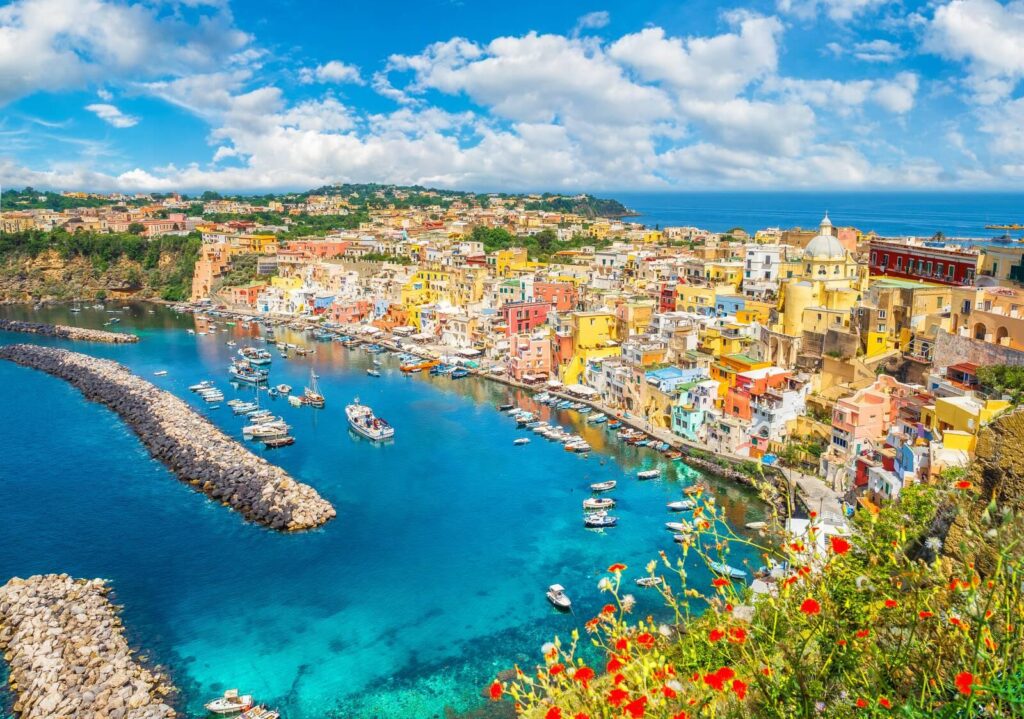
The most memorable part of a journey is not always the place that appears on every postcard. It might be a small coastal town where the harbour still serves local fishermen, a regional capital with an unexpectedly lively food scene, or a mountain village where visitors discover landscapes far removed from the crowds of the world’s best-known resorts. These places may lack the instant recognition of major tourist centres, but they can offer something increasingly valuable: the feeling that a destination has room to surprise you.
For decades, international tourism has concentrated attention on a relatively small group of cities, coastlines and cultural landmarks. Their reputations make them easy to sell, their infrastructure is familiar to travel companies, and the abundance of photographs, reviews and itineraries makes planning straightforward. Yet the same advantages can create a cycle in which popularity attracts more visitors, more visitors generate more publicity, and the destination becomes progressively harder to experience on its own terms.
That cycle is now encouraging a broader conversation about where people travel and how tourism should be organised. Travellers are showing greater interest in quieter places, while destination managers are looking for ways to spread economic benefits beyond crowded centres. The shift does not mean that famous destinations are losing their appeal. Rather, it suggests that the future of travel may depend on making a wider range of places accessible, understandable and attractive to visitors.
The opportunity is considerable, but the answer is not simply to publish another list of hidden gems. A place that becomes popular overnight can face the same pressures as the destinations it was supposed to replace. The real challenge is to build a more balanced tourism system in which lesser-known places can welcome visitors without losing the qualities that make them distinctive.
Why Travellers Are Looking Beyond the Usual Hotspots
A destination’s reputation has traditionally been one of tourism’s strongest assets. Travellers often have limited time and money, so choosing a familiar city or landmark can feel like a safer decision than visiting somewhere they know little about. Established destinations usually offer extensive accommodation options, clear transport connections and a wide range of activities, making them relatively easy to organise into a short holiday.
However, familiarity can also narrow the imagination. When millions of people see the same attractions promoted repeatedly, they may assume those places represent the best travel experiences available. Smaller cities and less-visited regions struggle to compete, even when they offer impressive landscapes, strong cultural traditions or excellent food.
Recent research suggests that this pattern is beginning to loosen. ABTA’s Holiday Habits Report 2025–26 found that 48% of respondents planned to explore a country they had never visited before, while 54% were open to discovering a new city or resort. Its 2026 destinations report connects that appetite for discovery with a wider range of activities and experiences, rather than simply presenting unfamiliar locations as alternatives to famous ones.
The attraction of less-visited places can take several forms. Some travellers want quieter streets and fewer queues. Others are interested in regional food, local crafts, outdoor activities or cultural events that are not designed primarily for international visitors. Price can matter as well, particularly when accommodation and dining in major tourist centres have become expensive.
Yet lesser-known destinations are not automatically cheaper, quieter or more rewarding. A remote area may require costly transfers, limited accommodation can push prices upward, and poor visitor information can make an otherwise appealing trip difficult to organise. Travellers are more likely to choose these places when discovery is supported by reliable transport, useful information and services that make the experience practical.
Overtourism Is a Problem of Concentration
The term overtourism often suggests that a destination simply receives too many visitors. In practice, the problem is more complicated. Tourism can provide employment, support restaurants and hotels, sustain cultural attractions and create income for businesses that might otherwise struggle. The difficulties arise when visitor numbers, timing and geographical concentration exceed what local infrastructure and communities can comfortably accommodate.
A historic centre may become crowded during the middle of the day while neighbourhoods a short distance away receive little tourism income. Cruise passengers may arrive simultaneously, overwhelming narrow streets for several hours, while local businesses outside the main visitor route remain overlooked. Seasonal destinations can experience a similar imbalance, with intense demand during a few weeks followed by months in which tourism jobs and businesses generate much less income.
The OECD’s Tourism Trends and Policies 2026 identifies concentrated visitor flows as a source of pressure on infrastructure and communities, while less-visited destinations miss out on potential tourism benefits. The report argues for more strategic management that balances economic performance with environmental sustainability and positive outcomes for local residents.
This is an important distinction because reducing tourism demand everywhere would not necessarily solve the underlying problem. A region with underused accommodation and limited economic opportunities may benefit from more visitors, while a fragile historic district may need stronger management of peak-season crowds. The appropriate response depends on the destination’s capacity, infrastructure, environmental conditions and relationship with tourism.
Redistributing travel can therefore be part of the solution. Visitors who spend time in a wider area may support more businesses, discover a richer range of experiences and reduce pressure on a single attraction. But redistribution works only when alternative places are prepared to receive them and when tourism benefits reach the communities that host those visitors.
The Places Outside the Spotlight
The most interesting alternatives are not necessarily remote or undiscovered. Many are smaller cities within well-established tourist countries, regions beyond a famous capital or communities that have long attracted domestic visitors but remain relatively unfamiliar to international audiences.
In Europe, travellers who associate Finland primarily with Helsinki or Lapland may discover a different side of the country through Oulu, the European Capital of Culture for 2026. Its programme provides a reason to visit beyond the country’s best-known attractions, connecting cultural activity with the life of a northern city. In Romania, the Via Transilvanica trail offers another way to experience a country through villages, landscapes and regional heritage rather than concentrating a trip in a single urban centre. Both examples show how cultural programmes and travel routes can create reasons to explore a broader area.
Similar opportunities exist elsewhere. A region known internationally for its beaches may also have inland towns, agricultural landscapes and historic communities that receive fewer visitors. A large country may contain several distinct cultural regions, each with its own food traditions, architecture and festivals. Even in a famous city, travelling beyond the main tourist district can reveal local markets, independent cultural spaces and neighbourhood businesses that rarely appear in standard itineraries.
The appeal of these places lies in their differences, not in a shared promise of authenticity. Some are suited to walking and outdoor exploration; others are compelling because of their history, food or contemporary cultural life. Their value is not that they are untouched by tourism, but that they offer experiences shaped by local conditions rather than by a standard international visitor formula.
This also makes destination development more important than destination promotion alone. A campaign can introduce a place to the world, but its long-term appeal depends on what visitors find when they arrive: good information, accessible attractions, suitable accommodation, transport connections and opportunities to engage with the local community.
Social Media Can Discover Places and Overwhelm Them
Digital platforms have made it easier for travellers to discover destinations outside traditional tourism networks. A creator can introduce a small town through its architecture, food or surrounding landscape, reaching an audience that might never have encountered it in a guidebook. Online communities can also help travellers exchange practical advice about transport, seasonal conditions and activities that are difficult to find through conventional advertising.
But digital discovery has a paradoxical effect. The same post that introduces a place to a new audience can rapidly increase demand, particularly when the location is visually distinctive and easy to reach. A narrow street, isolated viewpoint or small natural attraction may receive attention before local authorities have time to consider parking, waste collection, safety or visitor management.
Klook’s 2026 Travel Pulse research highlights the influence of social media in this process, reporting that eight in ten surveyed travellers found destination inspiration and booked experiences directly through social platforms. Its analysis argues that the challenge is not simply the existence of popular places, but the way discovery and booking systems concentrate demand on destinations that already have visibility.
This means that digital tools can either reinforce concentration or help reduce it. Recommendation systems can continue showing visitors the same familiar locations, or they can introduce nearby towns, alternative routes and experiences that suit a traveller’s interests. Booking platforms can make secondary destinations easier to plan by presenting transport, accommodation and activities together, reducing the uncertainty that often pushes visitors towards established tourist centres.
The difference depends on how the travel industry designs its services. Promoting unfamiliar destinations without providing practical information is unlikely to change behaviour on a meaningful scale. People may be curious about an alternative, but they still need to know how to reach it, where to stay, what to do and whether the trip is worth the additional effort.
Local Communities Need to Benefit
Tourism is often described as an economic opportunity, but its effects are not distributed automatically or equally. A destination can attract large numbers of visitors while much of the revenue flows to external hotel groups, international booking platforms or businesses that have little connection to the local community. Residents may experience rising housing costs, crowded public spaces and pressure on services without receiving a proportionate share of the economic gains.
For lesser-known destinations, the goal should therefore be more ambitious than increasing visitor numbers. Tourism needs to create durable local value through employment, small businesses, cultural initiatives and services that remain useful after the holiday season ends.
Local guides can introduce visitors to the history of a place in ways that generic tours cannot easily reproduce. Family-run restaurants and regional food producers can benefit when travellers explore beyond the main commercial district. Craft businesses can find new customers, while cultural organisations may gain support for maintaining buildings, performances and traditions that would otherwise struggle to attract funding.
However, community participation has to be meaningful. Residents should have opportunities to influence how tourism develops, which places are promoted and what kinds of activities are appropriate. If a community’s cultural identity becomes a product shaped entirely around outside expectations, tourism may undermine the very qualities that made the destination attractive.
The most resilient models tend to connect tourism with local priorities. Better walking routes can serve residents as well as visitors, restored historic buildings can become useful community spaces, and improved transport can make essential services more accessible. When investment supports the everyday life of a place, tourism is less likely to feel like an industry operating separately from the community that hosts it.
Infrastructure Determines Whether a Destination Can Grow
A place may have remarkable scenery or cultural heritage and still be difficult to visit. Transport connections may be infrequent, accommodation may be limited, public information may be unavailable in languages visitors understand, and basic services may struggle during peak periods. These practical obstacles can keep destinations outside the mainstream even when traveller interest is growing.
Improving access does not necessarily mean building large airports, resort complexes or extensive new roads. Depending on the location, smaller investments may have greater value: reliable regional buses, clear walking routes, visitor information, sanitation facilities, safe trail access or support for locally owned accommodation. The priority is to make travel possible without imposing infrastructure that is disproportionate to the destination’s scale.
Capacity also has to be considered carefully. Expanding accommodation too quickly can damage landscapes, increase pressure on water supplies or alter local housing markets. In fragile natural areas, a new road may make a destination easier to reach while creating environmental impacts that outweigh the benefits. Development decisions need to consider the long-term costs as well as the immediate economic gains.
The OECD’s 2026 tourism analysis places resilience, coordination and strategic destination management at the centre of tourism policy. Its findings support a more deliberate approach in which infrastructure, visitor flows, environmental protection and local economic outcomes are considered together.
For emerging destinations, readiness matters as much as visibility. The most successful places will be those that grow at a pace their infrastructure and communities can support, rather than those that attract the largest possible audience in the shortest time.
Travelling Beyond Peak Season
Another way to spread tourism is to change when people travel. In many destinations, visitor demand is concentrated in a short period because of school holidays, weather conditions and established ideas about the best time to visit. The result can be crowded attractions during peak months and underused businesses for much of the rest of the year.
Travelling in the shoulder season can create a different experience. Streets may be easier to navigate, accommodation may be more available, and local businesses may have more time to engage with visitors. In some regions, autumn and spring also offer distinctive landscapes, food traditions and cultural events that are less visible during the main holiday period.
Climate change is adding another dimension to this pattern. In some popular summer destinations, extreme heat can make outdoor sightseeing less comfortable, while other regions may become more appealing during periods that were once considered off-season. Weather conditions remain unpredictable, and not every destination benefits equally, but seasonal flexibility is becoming an increasingly relevant part of travel planning.
Skyscanner’s Horizons 2026 research found that 34% of surveyed travellers actively sought quieter destinations and 31% planned to visit popular places during shoulder seasons. The same research reported that overcrowding had negatively affected the experience of 32% of respondents. These findings suggest that visitor timing is not simply a matter of price: it can influence the quality of a trip itself.
For local businesses, a longer tourism season can provide more stable employment and revenue. Yet it is important not to assume that every destination should attract visitors year-round. Some natural environments need periods of reduced disturbance, and communities may reasonably prefer limits on tourism during certain times. Seasonal diversification should support local priorities rather than create a permanent expectation that every place must always be open to visitors.
The Future Is Not a Race to Become Famous
There is a risk that the search for alternatives to overtourism will simply create a new generation of overcrowded destinations. Once a place becomes fashionable, travel media and social platforms may promote it so intensively that its popularity grows faster than local capacity. The label “hidden gem” can become self-defeating when it turns an unfamiliar place into the next must-see attraction.
A healthier approach recognises that not every destination needs to become internationally famous. Some places may benefit from a modest, carefully managed level of tourism that supports local businesses without fundamentally changing the community. Others may have the infrastructure and cultural resources to welcome substantially more visitors. The right scale depends on local circumstances rather than a universal growth target.
Travellers can contribute by looking beyond the most heavily promoted attractions, staying longer where practical and spending money with local businesses. They can also research seasonal conditions, respect access restrictions and understand that popular photographs may not tell the full story of a place. These choices will not solve every structural problem, but they can help create demand for a broader range of experiences.
Tourism organisations and booking platforms have a larger responsibility to make alternatives genuinely accessible. That means providing accurate information, explaining transport options, connecting visitors with local businesses and helping travellers understand what makes a destination distinctive. It also means avoiding promotional campaigns that generate demand without considering environmental limits or community needs.
The most promising future for travel is not a world in which every overlooked town becomes the next international hotspot. It is a world in which people have more meaningful choices, tourism income reaches a wider range of communities and popular destinations are no longer expected to absorb a disproportionate share of global travel.
Lesser-known places are redefining travel because they remind us that a destination’s value cannot be measured by the number of people who recognise its name. A place may offer extraordinary experiences without becoming famous, and it may remain worth visiting precisely because it retains the rhythms, landscapes and cultural life that make it different.
The challenge is to help travellers discover those places without overwhelming them. When access, local participation and careful planning grow alongside interest, tourism can become more than a contest for attention. It can be a way of connecting people with a wider world while allowing the places they visit to remain meaningful places to live.