The Journey Matters: How New Transport Links Are Changing Travel
A journey can begin long before a traveller arrives at a hotel or steps into a new city. It might start with watching the landscape change through a train window, discovering a small town during a connection or deciding to visit a region that suddenly feels much closer than it did a few years ago. Transport has always shaped travel, but improvements in railways, aviation and digital booking are changing not only how people move, but also which places they choose to explore.
For many years, convenience meant getting to a destination as quickly as possible. Flights made distant cities accessible for short breaks, while established transport hubs directed visitors towards places already familiar to international tourists. Today, the picture is becoming more varied. Travellers are increasingly considering alternative routes, combining several destinations in one trip and looking for journeys that offer flexibility rather than simply the shortest travel time.
These changes are especially visible in international rail travel. Governments and transport operators are investing in faster connections, new routes and easier ticketing, while digital platforms help travellers compare options that were once difficult to organise. Yet the future of travel will not belong to one transport system alone. It will depend on how effectively trains, planes, buses, ferries and local services work together to make more places accessible.
Railways Are Opening New Ways to Explore
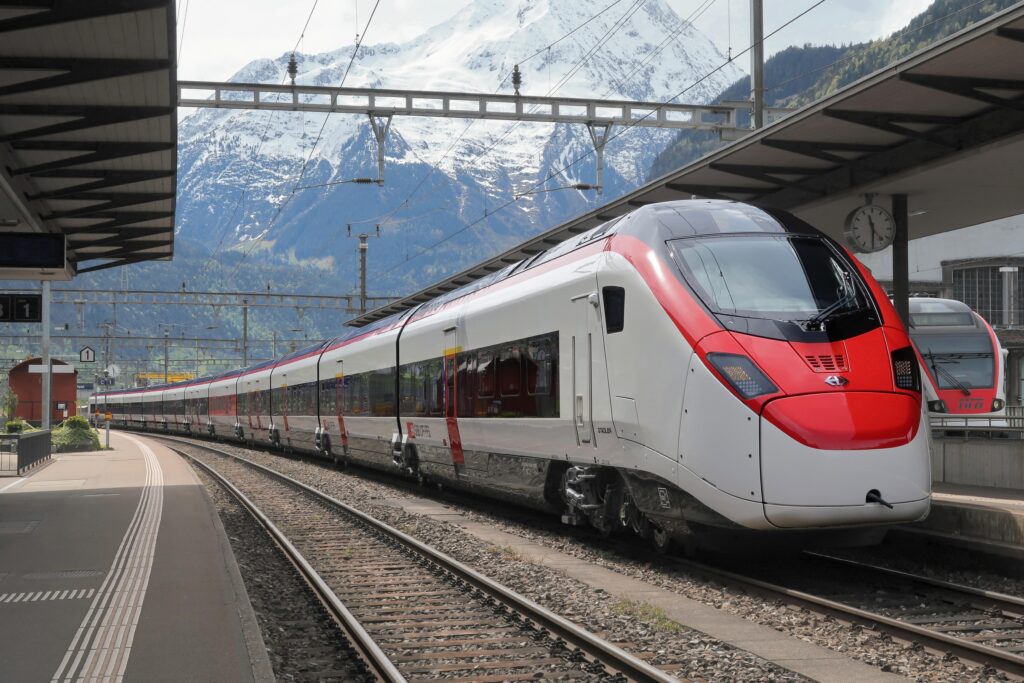
Train travel offers something that can be difficult to reproduce by air: a direct connection between the journey and the landscape. Passengers can watch cities give way to countryside, cross mountain valleys and arrive close to the centre of their destination without an additional airport transfer. For travellers who want to explore several places during one holiday, railways can also make it easier to move between cities without repeatedly returning to a major transport hub.
European rail networks illustrate both the possibilities and the remaining difficulties. In June 2026, a new direct service connecting Prague, Berlin and Copenhagen was launched, creating another international route for travellers exploring Central and Northern Europe. The connection demonstrates how a relatively straightforward improvement in transport can make a multi-city itinerary easier to organise.
However, the existence of a railway line does not automatically make international travel convenient. Different operators may use separate booking systems, ticket conditions can vary, and passengers travelling on separate tickets may have limited protection if a delay causes them to miss a connection. These complications can discourage people from choosing rail even when the route itself is attractive.
The European Commission addressed this problem in May 2026 by proposing new rules to simplify cross-border ticketing. The proposals would allow passengers to combine services from multiple railway operators into a single ticket purchased in one transaction, with stronger protection when missed connections disrupt a journey. They are proposals rather than a fully implemented system, but they represent an important attempt to make international rail travel easier to plan.
For travellers, improvements of this kind could matter as much as higher train speeds. A journey becomes more appealing when passengers can compare prices, understand their rights and book the entire route without navigating several disconnected websites.
High-Speed Trains Can Change the Travel Map
Speed has a direct influence on how people choose destinations. When a train journey takes most of a day, travellers may prefer to fly or spend their holiday in one place. If the same route becomes substantially faster, a second city can become a realistic addition to a weekend break or a longer itinerary.
The European Union’s high-speed rail plans reflect this ambition. In November 2025, the European Commission outlined a strategy intended to reduce journey times on several major routes. Its examples included a Berlin–Copenhagen journey that could take around four hours by 2030, compared with approximately seven hours under the existing timetable, as well as improved connections between other European cities over the following decade. These are future targets, not current journey times, but they show how infrastructure investment could reshape regional tourism.
Faster connections can benefit destinations that already attract visitors, but their influence extends further. A city that previously required a separate flight or a long transfer may become part of a convenient rail itinerary. Travellers can spend a few nights in one place before continuing to another, giving smaller urban centres a better chance of attracting visitors who would otherwise remain in the largest cities.
The economic effects depend on how these connections are used. Tourism businesses may gain customers, restaurants and cultural venues may benefit from a broader visitor base, and travellers may discover places they had not originally considered. At the same time, successful destinations need enough accommodation, public transport and visitor services to handle additional demand.
There is also a practical limit to what speed alone can achieve. A fast railway is valuable only if its stations are well connected, services run reliably and ticket prices remain competitive. Infrastructure must support the complete journey, from the traveller’s starting point to the place they actually want to visit.
Night Trains Make Distance Feel Different
Overnight trains offer another way to rethink travel time. Instead of treating a long journey as a day lost in transit, passengers can travel while sleeping and arrive in the morning ready to explore. For some routes, this can reduce the need to pay for an additional hotel night and make a trip more practical without requiring an early airport departure.
Interest in night trains has encouraged operators and designers to reconsider the experience. Comfort, privacy, luggage storage and efficient use of space all influence whether passengers view overnight rail as an attractive alternative to flying. In September 2026, Germany’s DLR research centre presented a new night-train concept exploring more flexible sleeping arrangements and improved use of onboard space. The concept illustrates ongoing design work, although it should not be confused with a service already available to book.
The appeal of overnight travel varies considerably. Some passengers appreciate waking up in a new city, while others prefer the predictable timing of a flight. Ticket prices can also be a challenge, especially when private sleeping compartments are expensive or routes offer limited capacity. Night trains are therefore unlikely to replace air travel across every distance.
Their value lies in providing another option. On suitable routes, they can connect cities that are far enough apart to make daytime travel inconvenient but close enough for an overnight journey. They can also turn the journey into a memorable part of the holiday, rather than a logistical problem to be minimised.
New Flights Can Bring Unfamiliar Places Within Reach
Railways are particularly useful for many regional and cross-border journeys, but aviation remains essential for international travel across oceans and vast distances. Direct flights can transform a destination’s accessibility almost overnight, especially when they eliminate lengthy transfers or make a previously complicated route available throughout the year.
For travellers, a new route can reduce both travel time and uncertainty. A destination that once required two connections may become practical for a short holiday, business trip or cultural event. Airlines also influence seasonal travel by adjusting capacity and introducing services in response to demand.
Yet a new flight does not guarantee lasting tourism growth. Routes depend on passenger numbers, operating costs, airport capacity and the wider economic environment. Some services are seasonal, while others may be reduced or withdrawn if demand falls short of expectations. Travellers should therefore check current schedules rather than assume that a newly announced connection will operate throughout the year.
The arrival of more direct flights can also create pressure on destinations that lack sufficient infrastructure. Airports may handle growing passenger numbers while roads, public transport and accommodation struggle to keep pace. For smaller communities, the most beneficial growth is not necessarily the fastest expansion, but the kind that generates reliable income without overwhelming local services.
This is where transport planning and tourism policy need to work together. A new route is most valuable when visitors can move easily from the airport to the places they came to see and when local businesses have a realistic opportunity to benefit from the additional demand.
Digital Booking Is Making Complex Journeys Easier
Transport infrastructure determines which routes are possible, but digital services influence how easily travellers can use them. Planning a multi-country trip once required considerable research across railway websites, airline booking systems, hotel platforms and local transport services. Even when the connections existed, comparing the options could be time-consuming.
Travel technology is gradually reducing that friction. Search tools can compare journey times and prices, mapping services help passengers understand transfers, and booking platforms increasingly combine transport with accommodation and activities. These developments are particularly useful for travellers who want to visit several places without organising every stage separately.
However, digital convenience has not eliminated fragmentation. A journey involving several transport operators may still require separate bookings, and the cheapest combination does not always provide the strongest protection if a connection is missed. This is why the European Commission’s 2026 ticketing proposals matter beyond the railway sector: they aim to make international travel more coherent from the passenger’s perspective.
The best booking experience is not simply the one that displays the largest number of options. It should help travellers understand the full cost, total journey time, transfer requirements and conditions attached to their tickets. When that information is clear, people can make decisions based on their own priorities rather than choosing the route that happens to be easiest to find.
Sustainable Travel Depends on Practical Alternatives
Transport also affects the environmental impact of tourism. Different modes of travel produce different levels of emissions depending on distance, occupancy, energy sources and the specific service being used. In many cases, rail can offer a lower-emission alternative to flying, particularly on routes where fast and reliable services already exist.
But asking travellers to choose a more sustainable option is not enough if that option is expensive, slow or difficult to book. A train journey that requires several unprotected connections may be less attractive than a direct flight, even for someone who would prefer to travel by rail. Similarly, a bus service that arrives far from the final destination may create additional costs and inconvenience.
The practical task is to make lower-impact options competitive in terms of convenience, reliability and price. Better connections, coordinated timetables and integrated ticketing can help. So can local public transport that allows visitors to reach attractions without hiring a car.
Sustainability should not be reduced to a single transport choice, either. A well-planned trip may combine a flight for the longest distance with trains between cities and public transport within destinations. Another journey may be entirely possible by rail. The appropriate choice depends on the route, available services and the traveller’s circumstances.
The broader lesson is that transport systems shape behaviour. When alternatives work well, travellers have more freedom to make choices that suit their budgets, schedules and environmental priorities.
Better Connections Can Spread Tourism Beyond Major Cities
Transport improvements can help redistribute visitors away from the destinations that already dominate international tourism. A regional railway, a reliable airport transfer or a well-connected bus route can make a smaller city easier to include in a trip. Travellers may then discover local food, architecture, cultural events and landscapes that receive less attention than the country’s most famous attractions.
This can create new opportunities for regional businesses, but the benefits are not automatic. Visitors need reasons to stay, and local communities need services capable of supporting them. A transport connection that brings passengers in for only a few hours may produce less local value than one that encourages overnight stays and visits to several nearby towns.
There is also a risk that easier access increases pressure on fragile environments or raises costs for residents. Sustainable destination development requires investment in infrastructure, careful visitor management and a clear understanding of what local communities want tourism to achieve.
The goal should not be to make every place a major tourist attraction. Some destinations benefit from modest visitor numbers, while others have the capacity to support a larger tourism economy. Transport planning works best when it improves access in ways that respect these differences.
The Journey Is Becoming Part of the Experience
The future of travel will not be defined by a single breakthrough. Faster railways, new flight routes, more comfortable night trains and simpler booking systems each address a different obstacle, and their benefits are strongest when they work together.
For travellers, better connectivity creates more choice. A journey can include several cities without becoming exhausting, a smaller destination can become easier to reach, and the route itself can provide an experience worth remembering. For local communities, improved transport can bring economic opportunities, provided that growth is supported by appropriate services and responsible planning.
The most important change is not simply that people will move faster. It is that more journeys may become practical, more destinations may enter the conversation and travellers may have greater freedom to decide how they want to explore the world.
When transport systems are designed around the complete journey, getting somewhere becomes less of a barrier and more of an invitation. The destination still matters, but so does everything that makes reaching it possible.