Travel Is Changing: How Modern Travelers Are Choosing Where to Go
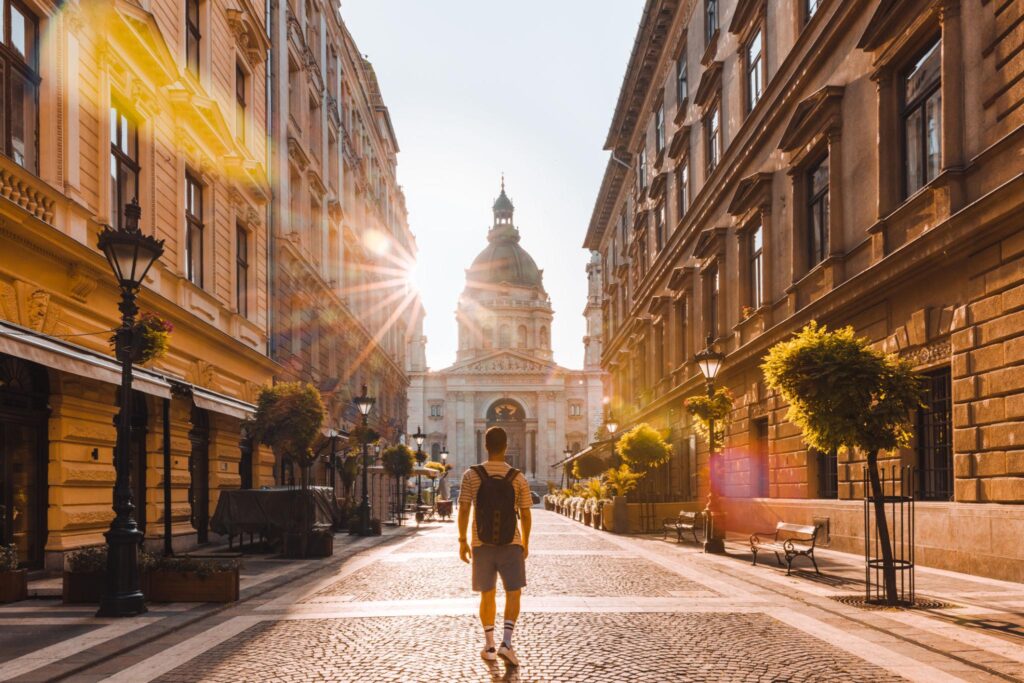
A destination can be famous for centuries and still lose its place on a traveller’s shortlist. Another city, previously overlooked by international visitors, can suddenly become desirable because of its food, creative scene, local traditions or the feeling that there is something new to discover. The difference is not always the number of monuments or the quality of the hotels. Increasingly, it is the experience a place promises.
Travel decisions have become more personal. Some people plan entire holidays around a concert, a sporting event or a restaurant they have wanted to visit for years. Others choose destinations where they can learn a craft, explore a neighbourhood on foot, spend time in nature or experience a culture that feels unfamiliar. Cost and convenience still matter, but they are being weighed against a wider set of expectations about what a trip should provide.
Research published in 2026 points to this change in priorities. Skift’s analysis of traveller behaviour identifies cultural immersion as a leading motivation across several major markets, while Tripadvisor reported that bookings for craft classes grew by 88% year over year in the first half of 2026. These findings suggest that travel is increasingly about participating in a place rather than simply observing it.
For destinations, this creates both an opportunity and a challenge. Places can attract visitors through distinctive experiences rather than relying exclusively on famous landmarks, but they also need to offer the infrastructure, accessibility and local services that make those experiences possible. For travellers, the expanding choice means that deciding where to go is becoming less about following a universal list of must-see places and more about understanding what kind of journey they want.
The Destination Is No Longer the Whole Story
For a long time, tourism marketing concentrated on places themselves. A city promoted its skyline, a coastal region its beaches, and a historic town its architecture. The logic was straightforward: show people what a destination looks like, establish its reputation and persuade them to visit.
That approach still works, but it no longer tells the whole story. Travellers increasingly choose destinations because of what they can do there and how the experience fits their interests. A historic city may appeal to someone who wants to explore its architecture, while another visitor might be drawn by its food markets, independent galleries or music venues. Both may visit the same place, yet their reasons for travelling can be completely different.
This shift helps explain why activities that once seemed secondary to a trip are becoming central to its planning. A cooking class, a guided walk through an unfamiliar neighbourhood or an opportunity to meet local artisans can become the main reason to travel. The destination provides the setting, but the experience gives the journey its purpose.
Tripadvisor’s 2026 mid-year report offers a clear example. Alongside the growth in craft-class bookings, the platform reported rising interest in activities that bring visitors closer to local culture, nature and everyday life. Rather than treating experiences as optional additions to sightseeing, travellers are increasingly using them to decide where they want to go in the first place.
For the travel industry, this changes how destinations need to present themselves. A place with a compelling cultural calendar, distinctive regional cuisine or accessible outdoor activities may be attractive even if it does not possess a world-famous monument. The challenge is to communicate what makes the experience meaningful without turning local life into a product designed solely for visitors.
Cultural Immersion Is Becoming a Stronger Motivation
Culture has always been part of travel, but the way visitors engage with it is changing. Traditional sightseeing often places the traveller at a distance: enter a museum, look at an exhibition, photograph a historic building and move on to the next attraction. These activities remain valuable, yet many visitors increasingly want to understand how a place functions beyond its most recognisable sights.
Food provides one of the clearest examples. A regional dish can reveal the influence of climate, agriculture, migration, trade and family traditions. Visiting a market can show how residents shop, what ingredients are available in different seasons and which products matter to local producers. A cooking workshop can turn that observation into a practical experience, giving travellers a skill and a better understanding of the culture behind it.
The same principle applies to music, craft, architecture and local festivals. Attending a performance in its cultural setting may offer a different perspective from encountering the same art form in a conventional tourist venue. Learning how a textile is made or watching a craftsperson work can reveal the knowledge and labour behind an object that might otherwise appear simply decorative.
Skift’s 2026 research found cultural immersion to be a leading travel priority in multiple regions, with particularly strong interest in Asia. Its findings also point to the importance of culinary experiences, which ranked prominently among activities travellers expected to spend money on.
This does not mean every traveller wants an intensive cultural programme. Some prefer relaxation, entertainment or outdoor adventure, and many combine several motivations within a single trip. The broader change is that culture is increasingly understood as something people can experience through everyday activities, not only through major institutions and historic sites.
For local communities, that creates opportunities for guides, independent businesses, artists, food producers and craftspeople. The benefits are most meaningful when tourism supports existing cultural practices and gives local people a role in shaping how their traditions are presented.
Value Matters, but Cheap Travel Is Not Always the Goal
The cost of a trip remains one of the strongest influences on destination choice. Airfares, accommodation, meals, transport and exchange rates can determine whether an ambitious itinerary is realistic. But value is more complicated than choosing the lowest available price.
Mastercard’s 2026 Travel Trendline, based on a survey of more than 15,000 consumers across 10 markets, found that 85% of international travellers had chosen, or would choose, a destination specifically to benefit from favourable exchange rates. The finding shows how financial considerations can influence the destination itself, rather than merely the details of a booking.
A favourable exchange rate can make a city more appealing, but travellers also consider what their money will buy. A destination may offer inexpensive accommodation but require costly transport between attractions. Another may have higher hotel prices yet allow visitors to walk between cultural sites, restaurants and public spaces. The final decision depends on the overall experience rather than a single price.
The World Economic Forum’s Travel and Tourism Development Index 2026 reinforces the importance of affordability. Its analysis found that price competitiveness declined in three-quarters of ranked economies between 2024 and 2026, reflecting pressure from rising travel costs. At the same time, many destinations improved their tourism infrastructure, cultural resources and digital readiness.
This creates a more demanding environment for destinations. Travellers may be willing to pay more for a memorable experience, reliable transport or better accommodation, but they increasingly need to understand what justifies the expense. Clear pricing, convenient connections and good service can matter as much as a destination’s reputation.
The search for value is also encouraging visitors to consider places beyond the most heavily promoted tourist centres. A smaller city may provide access to regional food, architecture and cultural events at a more manageable cost, while still offering the infrastructure needed for a comfortable stay. These alternatives are not automatically cheaper or better, but they widen the range of places travellers consider.
Social Media Creates Desire, but Reality Determines Satisfaction
Digital platforms have transformed how people discover destinations. A short video can introduce a remote coastline, a neighbourhood café or a local festival to millions of viewers. Images and recommendations circulate rapidly, allowing places that once depended on specialist guidebooks or word of mouth to reach a global audience.
This has made travel inspiration more immediate and more fragmented. Instead of beginning with a broad search for a country or city, a traveller might first encounter a particular experience: a night market, a mountain railway, a traditional workshop or a restaurant serving an unfamiliar regional dish. The destination becomes interesting because of that discovery.
However, digital visibility can also distort expectations. A location may appear extraordinary in carefully selected photographs while offering a very different experience during peak season. Visitors may arrive without understanding local transport, weather conditions, access restrictions or the pressures tourism places on residents. Viral attention can create demand faster than a destination can develop the services needed to manage it.
The challenge for travellers is to use social media as a starting point rather than a complete guide. Independent information, local recommendations and practical research can help distinguish a genuinely suitable destination from a temporary online sensation.
For destinations, the challenge is more complex. Digital popularity can bring income to local businesses, but sudden demand can strain accommodation, public transport and fragile natural or historic sites. Authorities and tourism operators need to consider whether the places being promoted can accommodate additional visitors without damaging the qualities that made them attractive.
The most successful destinations will not necessarily be those that achieve the widest online reach. They will be those that can turn attention into a positive visitor experience while preserving the character of the place.
Artificial Intelligence Is Changing the Planning Process
The way travellers research and organise trips is also changing. Artificial intelligence tools can help compare itineraries, suggest activities based on personal interests and organise information that would previously have required hours of searching across multiple websites.
The technology is particularly useful when a traveller has several competing priorities. Someone planning a short cultural break may need to balance flight times, museum opening hours, restaurant reservations, walking distances and accommodation costs. A digital assistant can help assemble these details into a workable plan and make it easier to compare alternatives.
Research cited in Euronews’ August 2026 coverage of the Skift State of Travel report found that 62% of surveyed global travellers were familiar with AI travel-planning tools. Among higher-income travellers familiar with these tools, reported usage was substantially higher.
Yet automated recommendations have limits. They may rely on incomplete or outdated information, overlook local context or recommend experiences that are popular online rather than especially suitable for a particular visitor. A plan can look efficient on a screen while failing to account for travel fatigue, unexpected closures or the simple pleasure of exploring without a fixed schedule.
Technology is therefore most useful when it reduces the administrative burden of travel without removing the traveller’s own judgement. It can help identify options and organise logistics, but local knowledge, personal curiosity and flexibility still shape the quality of a journey.
The combination of digital convenience and human discovery may become one of the defining characteristics of modern travel. People can use technology to organise the practical details while leaving room for unplanned encounters and experiences that no algorithm could reliably predict.
Travellers Want More Personal Journeys
The growth of experience-based travel does not mean that everyone is looking for the same kind of authenticity. In practice, travellers are becoming more varied in what they want from a trip, and a single destination can appeal to very different audiences.
Some visitors seek independence and prefer to explore alone, choosing their own pace and itinerary. Others travel primarily to spend time with family or friends, attend a major event or celebrate an important milestone. Some prioritise comfort and carefully selected accommodation, while others would rather spend their budget on food, guided activities or access to places that interest them.
Mastercard’s 2026 research found that 39% of international travellers surveyed had already taken a solo trip, illustrating how travelling alone has become a significant part of the market rather than a marginal activity. The report also highlights the importance of favourable exchange rates and more flexible travel decisions.
This diversity makes personalisation increasingly important. Hotels, tour operators and destination organisations need to offer choices that suit different budgets, interests and travel styles instead of assuming that every visitor wants a standard package. A traveller interested in architecture may value a specialist walking tour, while someone visiting for a concert may care more about transport connections and a late check-out.
Personalisation, however, should not be confused with designing every trip around a tightly controlled itinerary. For many travellers, the appeal of a place lies precisely in the possibility of discovering something unexpected. The most useful services make travel easier while preserving the freedom to change plans.
The Future of Travel Depends on the Places People Choose
Changing traveller preferences can redistribute tourism in ways that are beneficial, but the outcome is not guaranteed. When visitors move beyond established destinations, smaller communities may gain new sources of income, local businesses can reach wider markets and cultural traditions may receive renewed attention. Yet increased tourism can also put pressure on housing, transport, public spaces and natural resources.
The OECD’s Tourism Trends and Policies 2026 identifies evolving preferences, digital technology and sustainability as important forces shaping the sector. It also stresses the need for destinations to adapt while managing the social and environmental effects of tourism growth.
That balance is particularly important for places that become popular quickly. Local authorities may need to improve transport, manage visitor flows, protect sensitive sites and ensure that tourism income reaches the communities providing the experience. Businesses, meanwhile, can contribute by promoting local suppliers, respecting cultural practices and communicating realistic expectations to visitors.
Travellers also have a role. Choosing a less crowded destination can help distribute demand, but responsible travel involves more than avoiding famous places. It means considering local customs, using services thoughtfully, respecting restrictions and recognising that a destination is first and foremost a place where people live.
The travel industry is moving towards a model in which destinations compete not only through their landmarks, landscapes or hotel offerings, but through the quality and character of the experiences they make possible. Cost, accessibility and convenience remain essential, while culture, food, personal interests and digital discovery increasingly influence the final choice.
Ultimately, the most meaningful journey is not necessarily the one that covers the greatest distance or visits the largest number of attractions. It is the one that gives travellers a genuine reason to be somewhere. As travel becomes more individual, the places most likely to stand out will be those that offer something distinctive while remaining welcoming, accessible and connected to the lives of the people who call them home.